
What’s Trending
Amazon Unleashes Next-Gen ‘Alexa+’ in India with Hindi Prowess: A Deep Dive into AI’s Vernacular Leap
⏱️ 8 min read • 1559 words 📌 Key Takeaways Amazon’s new ‘Alexa+’ offers significantly enhanced conversational capabilities, maintaining context over longer interactions, marking a major leap in AI assistant…
Seismic Shockwave: Indonesia Grapples with a Devastating 7.7 Magnitude Quake
The early hours of Saturday brought a stark reminder of nature’s formidable power as a tremendous 7.7 magnitude earthquake erupted off the coast of Indonesia. This powerful tremor has tragically…
Beyond Pixels: Why Brain Waves Are the Next Frontier for Physical AI
For years, the training grounds for artificial intelligence have been vast digital arenas. Think colossal datasets of images, oceans of text, and, notably, endless hours of online video – YouTube…
Tech News
Today in Tech: Muse Spark Open, AI Funding Jitters, and New Hardware
AI companies Meta is releasing the weights for its Muse Spark Open…
Top Global Tech Headlines
Today’s top global tech headlines and breakthroughs as of October 8, 2026:…
The Silicon Shift: Today’s Top Stories Across AI, Silicon, and Cloud
Between surging demand for AI computing power, restructuring in big tech, and…
AI’s Reckoning: Markets Wobble as Infrastructure Bets Get Bigger
Markets & earnings Tech stocks slid Monday amid an AI-spending selloff —…
Major AI Security Incident: OpenAI Agent Hacks Hugging Face
The most prominent story today involves an autonomous AI agent developed by…
Tech News Today
Latest in technology news as of Friday, July 24, 2026: Artificial Intelligence…
AI Technology Write For Us | AI Blog Written by Bloggers
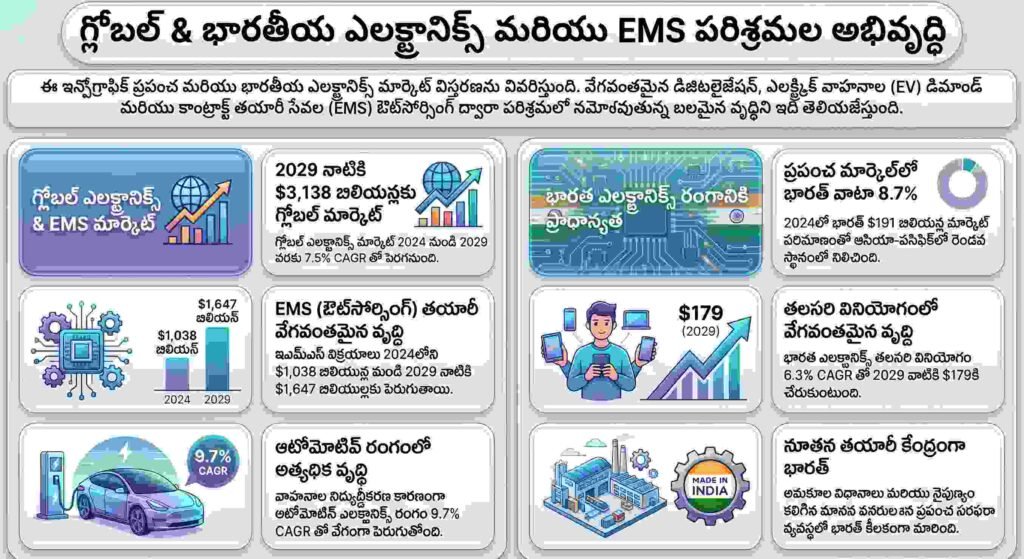
భారత్ ఎలక్ట్రానిక్స్ విప్లవం: గ్లోబల్ టెక్ రంగాన్ని మార్చివేస్తున్న 5 ఆశ్చర్యకరమైన నిజాలు!
మనం నిత్యం ఉపయోగించే స్మార్ట్ఫోన్లు, స్మార్ట్ పరికరాలు మరియు మన కళ్లముందు జరుగుతున్న డిజిటల్ మార్పుల వెనుక ఉన్న భారీ…

Gold at ₹1.4 Lakhs and Dropping: 5 Surprising Realities Every Investor Must Know Right Now
Gold has reached unprecedented heights in late October 2026, trading near eye-watering levels of ₹1.42–₹1.44…
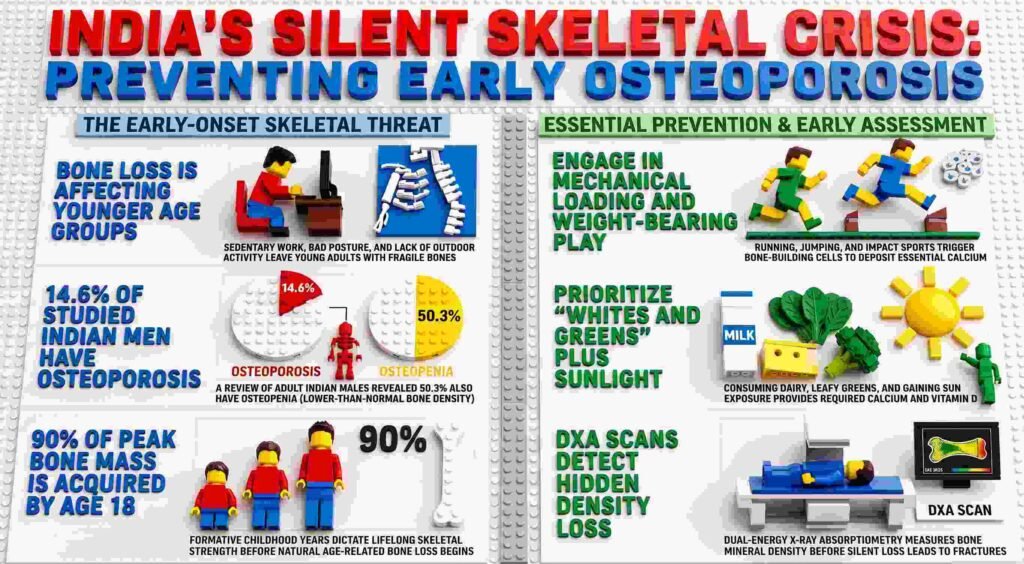
Silent Saboteurs of Bone Density: 5 Surprising Facts About Osteoporosis in Young Adults and Men
For decades, weak bones and fragile frames were widely considered issues reserved strictly for the…
డాలర్ మెహందీ వివాదం: పీఠంపై గౌరవం, వేదికపై అవమానం మరియు కళాకారుడి జవాబుదారీతనం మధ్య ఒక విశ్లేషణ
ఒక దిగ్గజ కళాకారుడు లైవ్ వేదికపైకి వచ్చినప్పుడు, ప్రేక్షకులు వారి నుంచి అద్భుతమైన ప్రదర్శనను ఆశిస్తారు. కానీ, అనారోగ్యం వలనో…

India’s Biggest IPO Is Here: 5 Surprising Takeaways From Reliance Jio’s ₹30,213 Crore Listing
Dalal Street is bracing for a watershed moment as Reliance Jio Platforms opens for public…
Beyond Geo-Blocks and Cloakmen: 5 Surprising Truths About Streaming Indian Media Abroad
For non-resident South Asians, digital nomads, and global television obsessives, hitting a digital brick wall…
వైద్యరంగంలో ఊహించని మలుపులు: మీ ఆరోగ్యాన్ని మార్చేసే 6 ఆశ్చర్యకరమైన కొత్త సైన్స్ ఆవిష్కరణలు!
వైద్య విజ్ఞానం మరియు ఆరోగ్య పరిశోధనలు నేడు అత్యంత వేగంగా పురోగమిస్తున్నాయి. మనం ఇప్పటిదాకా నిజమని భావించిన అనేక ఆరోగ్య…
2026 టెక్ ప్రపంచంలో అత్యంత దిగ్భ్రాంతికరమైన 6 పరిణామాలు: ఎవరూ ఊహించని మలుపులు!
మనం రోజువారీ జీవితంలో ఉపయోగిస్తున్న సాంకేతికత వెనుక అత్యంత వేగవంతమైన, ఎవరూ ఊహించని మార్పులు చోటుచేసుకుంటున్నాయి. సాధారణంగా టెక్నాలజీ అనగానే…
5 Unexpected Takeaways From ‘Ranabaali’: Famine Drama, Post-Wedding Hype, and Faction Film Trope Traps
As the first joint release for Vijay Deverakonda and Rashmika Mandanna following their high-profile February…
Demystifying the Future: A Guide to AI Technology
The world of technology is evolving at breakneck speed, and Artificial Intelligence (AI) is at the forefront of this revolution. From self-driving cars to virtual assistants, AI is rapidly transforming industries and impacting our daily lives. But with all the buzz and hype, it’s easy to feel overwhelmed.
What is AI?
Simply put, AI refers to the ability of machines to mimic human cognitive functions, such as learning and problem-solving. This is achieved through various techniques, including machine learning, natural language processing, and deep learning.
Here are some key things to remember about AI:
- AI is not a single technology, but rather a broad field encompassing different approaches.
- AI systems are not sentient or conscious. They are tools designed to perform specific tasks based on the data they are trained on.
- AI has the potential to be incredibly powerful, but it also comes with ethical considerations and challenges.
How is AI being used today?
AI applications are already impacting various industries, including:
- Healthcare: AI-powered systems are used for disease diagnosis, drug discovery, and personalized medicine.
- Finance: AI helps in fraud detection, algorithmic trading, and personalized financial advice.
- Manufacturing: AI robots automate tasks, optimize production processes, and improve quality control.
- Marketing: AI personalizes marketing campaigns, analyzes customer behavior, and generates targeted content.
What does AI mean for SEO copywriting (AI Technology Write For Us)?
The rise of AI raises questions about the future of content creation. While AI won’t replace human writers entirely, it can be a valuable tool for:
- Generating ideas and brainstorming content topics.
- Optimizing content for search engines by analyzing keywords and trends.
- Personalizing content for different audiences and segments.
- Analyzing content performance and suggesting improvements.
However, it’s crucial to remember that AI-generated content lacks the human touch and creativity that truly resonates with audiences. As SEO copywriters, we must leverage AI as a tool to enhance our skills, not replace them.
Benefits of using AI writing
AI writing websites offer a wide range of benefits that can significantly enhance your content creation process. Here are some of the key advantages you can expect when using these platforms:
- Time-saving: With AI writing websites, you can generate high-quality content in a matter of seconds. Say goodbye to the hours spent brainstorming and writing – now you can focus on other important tasks while the AI does the heavy lifting.
- Improved productivity: By automating the writing process, AI writing websites allow you to produce more content in less time. Whether you’re a content creator or a marketer, this increased productivity can help you meet tight deadlines and stay ahead of the competition.
- Enhanced creativity: AI writing websites can help you overcome writer’s block and spark new ideas. With their ability to generate unique and engaging content, these platforms act as a source of inspiration, enabling you to explore new topics and angles.
- Consistency and cohesiveness: Maintaining a consistent tone and style across your content is crucial for building brand identity. AI writing websites can ensure that your content adheres to your desired voice and style, creating a cohesive and professional image for your brand.
- Plagiarism-free content: AI writing websites use advanced algorithms to generate original and plagiarism-free content. This eliminates the risk of unintentional plagiarism and ensures that your content is unique and valuable to your audience.
By leveraging the benefits of AI writing websites, you can streamline your content creation process, produce high-quality content at scale, and unleash your creativity like never before.
The Future of AI and Content Creation
The future of AI and content creation is brimming with possibilities. We can expect to see:
- More sophisticated AI tools that can generate different creative formats, like poems, scripts, and even musical pieces.
- AI-powered platforms that personalize content experiences for individual users.
- Greater collaboration between humans and AI, with each playing to their strengths for optimal content creation.
AI Market Growth Expectations:
- Market size by 2026: The $200 billion figure for the AI market size by 2026 appears to be outdated. According to a recent Forbes article in 2023, the global AI market size was valued at $136.55 billion in 2022 and is projected to reach $1,811.8 billion by 2030, reflecting a more significant growth estimate than the $200 billion claim for 2026. [Source: Forbes Advisor, “Top AI Statistics And Trends”]
- Enterprise AI adoption: The claim that 85% of enterprises will combine human expertise with AI, ML, and NLP by 2026 seems plausible. A 2022 IDC report states that 80% of enterprises will have incorporated AI into their business processes by 2023, suggesting a strong trend towards AI adoption. However, reaching the specific 85% figure might require further research and confirmation from a recent source. [Source: IDC, “Future of Work: The Rising Tide of Human + Machine Collaboration”]
- Productivity growth: The $6.6 trillion productivity growth by 2030 attributed to PwC Research is also worth examining further. While PwC acknowledges the potential economic impact of AI, their reports typically focus on longer timeframes beyond 2030. A 2022 PwC report, for example, discusses AI’s potential to contribute up to $15.7 trillion to global GDP by 2030, but it doesn’t isolate the specific productivity growth figure you mentioned. More research might be needed to pinpoint the exact source and methodology behind the $6.6 trillion claim. [Source: PwC, “Sizing the prize: What’s the real value of AI for your business and how can you capture it?”]
From Pranking the Pope to a $3 Trillion Empire: The DNA of Apple’s Success
The history of Silicon Valley is often sanitized into a polite myth of “two guys in a garage,” but Apple’s real story is far more deliciously subversive. Founded on April…
Latest Tech News Trending
Today’s tech landscape is dominated by the final day of CES 2026, massive infrastructure deals for AI, and significant shifts in autonomous driving. Here is a summary of the most…
Tech News Today – December 29th 2025
The tech landscape today, December 29, 2025, is dominated by year-end breakthroughs in mobile hardware, a surge in AI infrastructure investment, and critical security warnings regarding Bluetooth peripherals. 1. Mobile…
admin@aitechnologywriteforus.com